

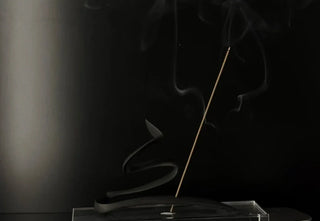
Since ancient times, burning incense has been regarded as an elegant way of life. As the most common form of incense, incense sticks are simple to use yet involve a number of subtle nuances. Mastering the correct lighting technique is essential to unlocking their full aromatic potential.
This article will break down the complete steps, practical tips, and pitfalls of lighting incense sticks. Whether you are a complete beginner or a seasoned enthusiast, you will find it easy to get started and unlock the delightful experience of burning incense.
1. Preparations Before Lighting Incense Sticks
Thorough preparation is essential before lighting incense sticks. The preparatory process can be distilled into three key areas: selecting the right incense, gathering the necessary tools, and arranging the environment.
First is the selection of high-quality incense sticks. Premium incense sticks are typically crafted from natural aromatic ingredients. Their fragrance is rich, natural, and non-pungent. When burning, they produce a moderate amount of smoke, and the resulting ash is white or off-white in color. Once lit, they tend to burn steadily without easily extinguishing.

In contrast, inferior incense sticks often contain added chemical fragrances; burning them can generate acrid odors and potentially release harmful substances that compromise health. When purchasing, it is advisable to check the product labeling. Opt for incense sticks that clearly display a legitimate manufacturer name, address, and quality certification. Prioritize varieties made exclusively from natural ingredients.
Second is the preparation of essential tools. There are only three core tools: First, an ignition tool. It is recommended to use dedicated matches or a lighter. Second, an incense holder or censer; these serve to secure the incense sticks in place. Censers made of ceramic, copper, or stone are all suitable choices, while smaller incense holders offer greater portability and are ideal for daily use. Thirdly, fire extinguishing tools, such as small tweezers and incense ash spoons, are useful for handling unburnt incense sticks.

Finally, it is crucial to establish a safe environment for burning incense. Select a space with good ventilation. It is imperative to avoid burning incense for extended periods within a confined, unventilated room, as the accumulation of smoke and residual harmful substances can negatively impact respiratory health.
Keep away from flammable items such as curtains, paper, and clothing, and place them out of reach of children and pets. If there are people in your household with respiratory illnesses such as asthma or chronic obstructive pulmonary disease, it is recommended to avoid burning incense as much as possible.
2. Detailed Steps for Lighting Incense Sticks
Below are four steps for lighting incense sticks:
Step One: Selecting and Holding the Incense. Select a single incense stick. If the stick consists of a section coated with incense powder and another section comprising a bare bamboo or wood core, the end to be lit is the one coated with the powder. When holding it, simply grasp the bare bamboo core section. If the stick is composed entirely of incense material (without a separate core), you may hold the middle or lower section of the stick with clean hands.
Step Two: Lighting and Heating. Bring the tip of the incense stick close to a flame source. Gently rotate the tip to ensure it heats evenly. Continue until faint sparks appear at the tip and a wispy trail of smoke begins to rise. At this point, let the flame burn for a few more seconds until the tip of the incense stick turns completely red and has dark red sparks before it is considered truly lit.

Step Three: Extinguishing the Flame and Verifying. Once the tip is fully ignited, gently wave the incense stick to extinguish the open flame. Whenever possible, avoid blowing on the stick to put out the fire. After the flame has gone out, observe the tip for one to two seconds to confirm that it does not reignite.
Step Four: Securing and Settling. Insert the lit incense stick into an incense holder or censer. Once securely positioned, allow it to sit undisturbed for one to two minutes to ensure it begins burning steadily. As the fragrance gradually begins to diffuse, you may then quiet your mind and immerse yourself in the soothing and pleasant atmosphere created by the burning incense.
As incense burns, it produces ash. You must place a catch tray underneath to prevent the hot ash from scorching the surface of your table or furniture. Lit incense should never be left unattended; be sure to extinguish it completely before leaving the room or going to sleep.
3. How to Extinguish
When the incense has burned down to a short stub, you may extinguish it early rather than waiting for it to burn out completely. There are two methods for extinguishing incense:
Pressing: Press the burning tip of the incense stick into the ash bed. By cutting off the oxygen supply, the ember will naturally go out.
Cutting: Use scissors to snip off the burning section and place it into water or ash. It is generally not recommended to extinguish the incense by dousing it with water—especially if the stick has not yet fully burned down—as the water will dampen the remaining incense powder, making it difficult to light the next time you wish to use it.
4. FAQ: Why Does My Incense Keep Going Out?
For those new to using incense sticks, the most frequently asked question is, "No matter how I try to light it, it just won't stay lit." Here are several common reasons:
The tip of the incense hasn't fully caught fire.
The ignition time was too brief, resulting in only the surface catching fire. The solution is to let it burn for a few extra seconds; wait until the tip glows a deep red before extinguishing the open flame.
The incense has been stored for too long.
When stored for extended periods, the natural oils within the incense powder evaporate, diminishing its ability to burn properly. Try to use up your incense within its shelf life, or opt for smaller package sizes.
The bamboo core is too thick.
With some lower-quality incense sticks, the central bamboo core is excessively thick while the layer of incense powder surrounding it is very thin. Consequently, the stick tends to go out once the flame reaches the bamboo core. Simply switching to a higher-quality brand of incense sticks should resolve this issue.
Conclusion
The act of lighting incense sticks is both a simple task and a deeply healing ritual. With the right technique, lighting them becomes effortless.
If you, too, wish to light a stick of incense to find a moment of calm after a busy day, come visit Dao Incense. Step into our shop and choose a scent that speaks to you. The time it takes for a single stick to burn is just enough to treat yourself to a little self-care.